
 Natalie Aho
When the Episcopal Diocese of North Carolina announced the Mission Proceeds Grant Phase II opportunity, most churches saw it as a chance to fund their own ministries. But the Church of the Nativity in Raleigh saw something different: an opportunity to use their institutional power, professional skills, and organizational capacity to advance the mission of ONE Wake—a mission that belongs to all the member organizations.
A Different Kind of Partnership
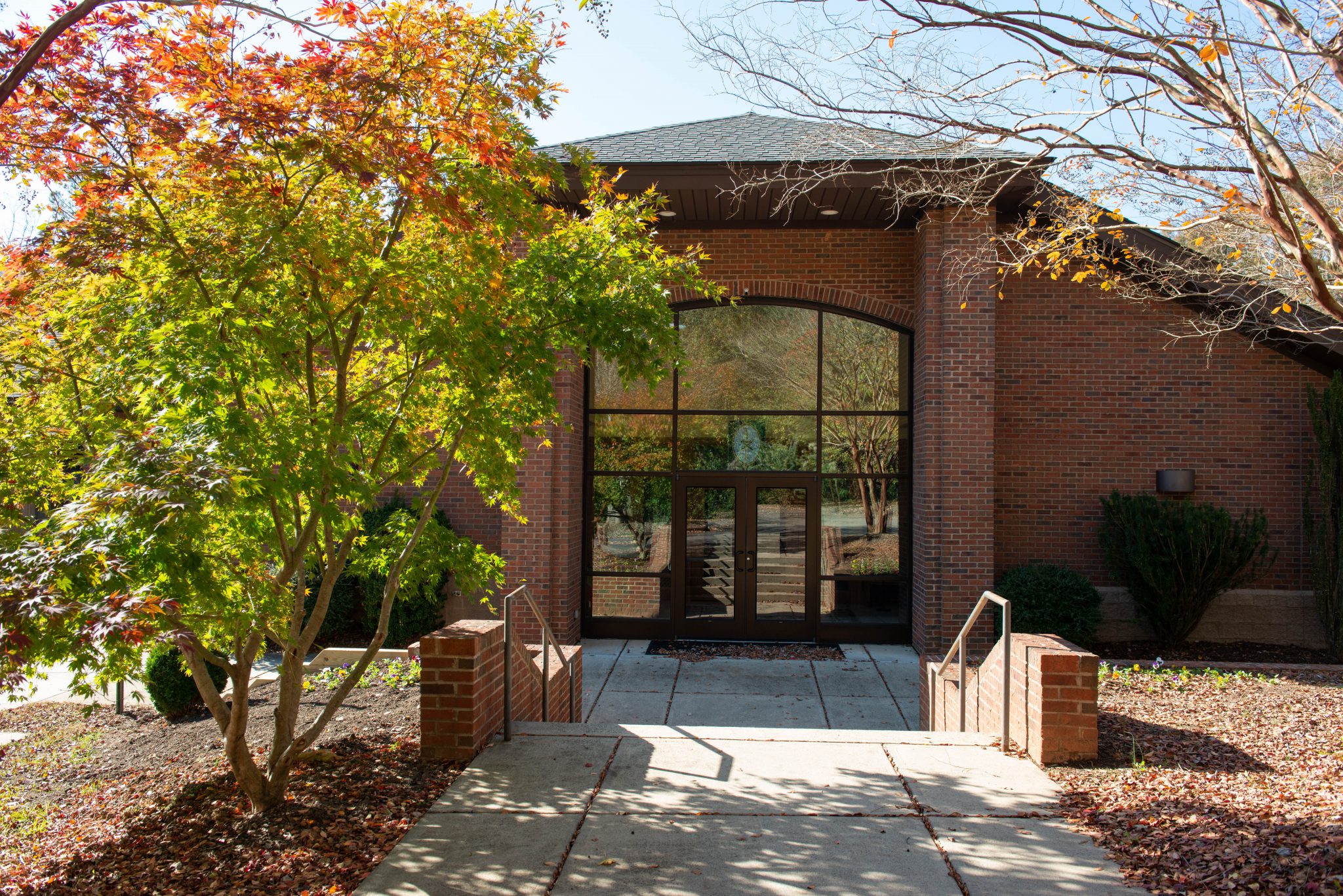
Representing the Church of the Nativity, lay leader Becky Showalter and rector Grey Maggiano didn't just notice the grant opportunity. They recognized that race reconciliation training would strengthen the entire ONE Wake collective's ability to engage in authentic, multi-ethnic community organizing. Rather than applying for funds solely for Nativity's benefit, the church made a strategic decision: they would co-draft the grant application with ONE Wake and, if successful, administer the funds in partnership with the organization.
This wasn't passive support. This was active leadership.
The Church of the Nativity brought to the table what many smaller organizations and congregations often lack: grant-writing expertise, institutional credibility with the diocese, administrative infrastructure, and the staff time needed to navigate a complex application process. They invested hours in proposal development, drafted compelling narratives, created detailed budgets, and advocated for the project through diocesan channels.
When the letter arrived in July 2025, awarding $15,000 to "Nativity, Raleigh for a Mission Proceeds Phase II Grant" in support of "continued collaborative ministry," it was a victory not just for one church, but for an entire ONE Wake movement.
More Than Money: Power, Skills, Networks, and Time
The Church of the Nativity's contribution demonstrates a crucial principle of community organizing: churches can use their institutional power in ways that transcend traditional charity.
They used their power. As an established Episcopal parish with a strong relationship with the diocese, Nativity had credibility that could open doors. They leveraged that standing on behalf of the collective.
They used their skills. Grant writing is a specialized skill. Rather than keeping that expertise within their own walls, they put it to work for the broader mission of racial reconciliation and community organizing.
They used their networks. Their connections within the Episcopal Diocese of North Carolina provided access to information, relationships, and advocacy opportunities that benefited all of ONE Wake.
They used their time. Staff and lay leaders invested countless hours in a project that would primarily benefit the collective's training and capacity-building efforts—not exclusively their own congregation.
And critically, they committed to administering the grant in partnership with ONE Wake, ensuring the funds would be stewarded collaboratively and serve the entire organization's race reconciliation work.
The Mission Belongs to All of Us
What makes this story powerful is the recognition that ONE Wake's mission is not separate from the mission of each member church, synagogue, mosque, or nonprofit. When any member organization works to address food insecurity, build affordable housing, or strengthen multi-ethnic community organizing, they are living out the shared values that brought ONE Wake to life.
The Church of the Nativity understood something essential: supporting ONE Wake's capacity to do race reconciliation training isn't charity toward someone else's work. It's an investment in the collective power that makes all their individual ministries more effective.
The Church of the Nativity's rector, The Rev. Grey Maggiano, has been described as having "a vision to unite his church family with surrounding communities." This grant initiative embodies that vision perfectly—not just connecting with surrounding communities, but actively building the capacity for authentic multi-ethnic relationships that make community organizing effective.
The Church of the Nativity understood something essential: supporting ONE Wake's capacity to do race reconciliation training isn't charity toward someone else's work. It's an investment in the collective power that makes all their individual ministries more effective.
A Call to Action: What Could Your Organization Do?
The Diocese's grant letter acknowledged that they reviewed 42 thoughtful applications and made funding decisions based on "the strength of partnership and collaboration, the clarity and viability of the budget, and the potential impact." The Church of the Nativity's success offers a roadmap for other member organizations.
What if more ONE Wake member churches, congregations, and nonprofits asked themselves: How can we use our institutional power, professional skills, organizational networks, and staff time to advance our collective mission?
This isn't about replacing financial contributions—those remain vital. This is about recognizing that member organizations bring diverse resources beyond their budgets:
- Grant writing expertise that could secure funding for collective initiatives
- Legal and accounting skills that could strengthen organizational infrastructure
- Communications capabilities that could amplify ONE Wake's voice
- Meeting space and technology that could host trainings and events
- Professional networks that could connect ONE Wake to decision-makers
- Research and data analysis skills that could strengthen campaign strategies
- Language translation abilities that could expand multilingual organizing
- Youth engagement experience that could develop the next generation of leaders
The Church of the Nativity demonstrated that supporting ONE Wake doesn't always look like traditional charity—sometimes it looks like a church saying, "We have skills, time, and institutional power. Let's put them to work for all of us."
Building the Beloved Community Together
The Episcopal Diocese of North Carolina created the Mission Proceeds Grant program from the proceeds of selling their Diocesan House with an explicit purpose: to support the journey toward "Becoming Beloved Community" and to "make a right beginning as we address and continue to reckon with our racial history."
The Rt. Rev. Sam Rodman wrote in the award letter that he was "deeply encouraged by the faithful and creative ways you are living out the Gospel through this ministry" and that the work "reflects the spirit of resurrection, reconciliation, and renewal."
The Church of the Nativity embodied that spirit—not by doing ministry for others, but by organizing with others. They used their privilege and position not to elevate themselves, but to strengthen the collective.
As ONE Wake moves forward with race reconciliation training funded by this grant, the story of how it came to be is just as important as the training itself. It's a story about what becomes possible when member organizations move beyond transactional support toward transformational partnership.
It's a story worth telling—and replicating.
About the Grant: The Mission Proceeds Grant Phase II provided $15,000 to support race reconciliation training for ONE Wake's multi-ethnic community organizing work. The Church of the Nativity co-drafted the application and is administering the funds in partnership with ONE Wake.
About ONE Wake: ONE Wake is a non-partisan, multi-ethnic community organizing collective affiliated with the Industrial Areas Foundation. Founded in 2020, ONE Wake brings together congregations, associations, and nonprofits across Wake County.
Call to Member Organizations: Is your church, congregation, or nonprofit organization interested in leveraging its institutional power, skills, and networks to support ONE Wake's collective mission? Contact Stephon Whitley at [email protected] to explore partnership opportunities.
Do you like this page?